
Growing More Than Food: A mother’s nutrition journey
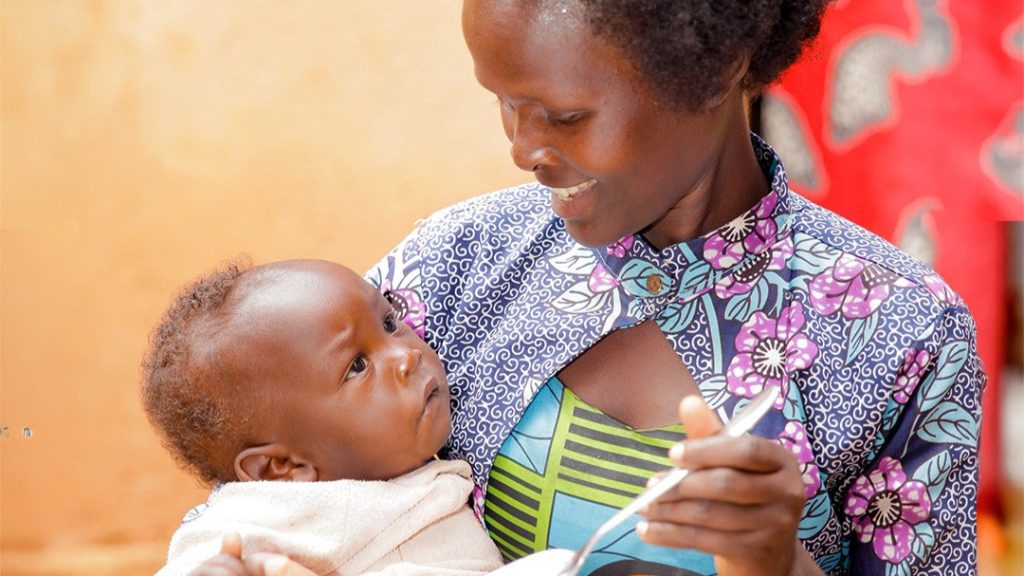
Jacqueline from Gicumbi struggled to provide proper nutrition for her child, believing healthy meals were unaffordable. Through the EU-funded Kungahara project, she learned to grow vegetables, raise chickens, and prepare balanced meals using local resources. This initiative empowered mothers, proving that knowledge—not wealth—can transform family nutrition and community well-being.
Belise’s Journey: From Struggle to Self-Sufficiency with the Kungahara Project
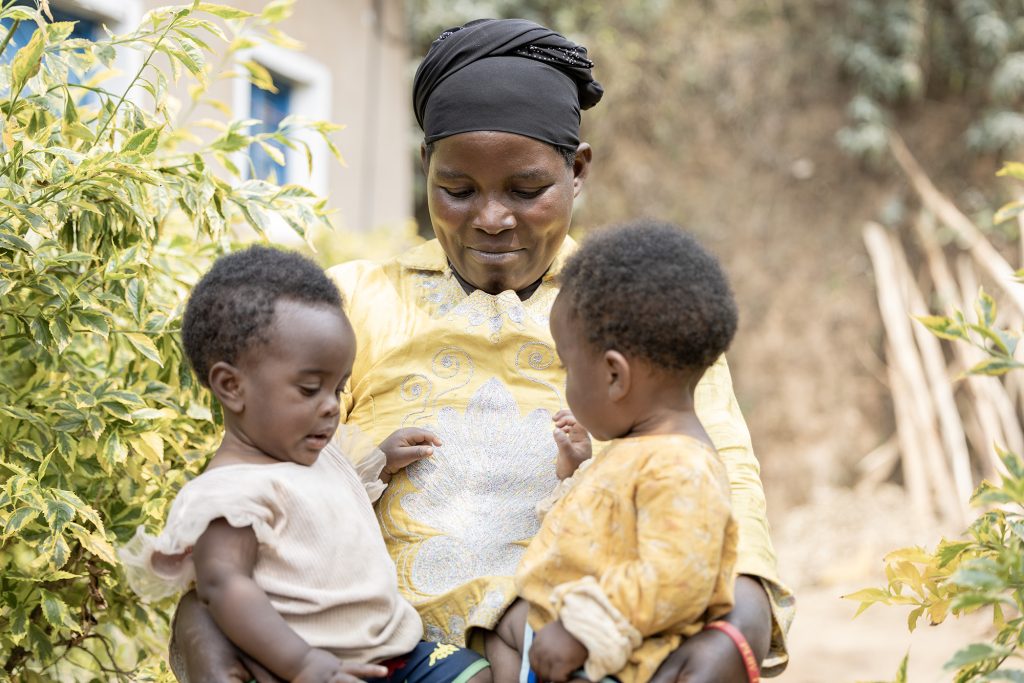
Meet Murekatete Belise, a mother of three children, a young boy and girls twins from Gakenke district, Northern Rwanda. She used to face significant challenges in providing nutritious food for her family, especially her twins who are still at baby age. Trying to address that, she decided to grow a vegetable garden as she knew […]
When Making the Bed Marks the Beginning of a Better Future: Nyandwi and Regina’s Story
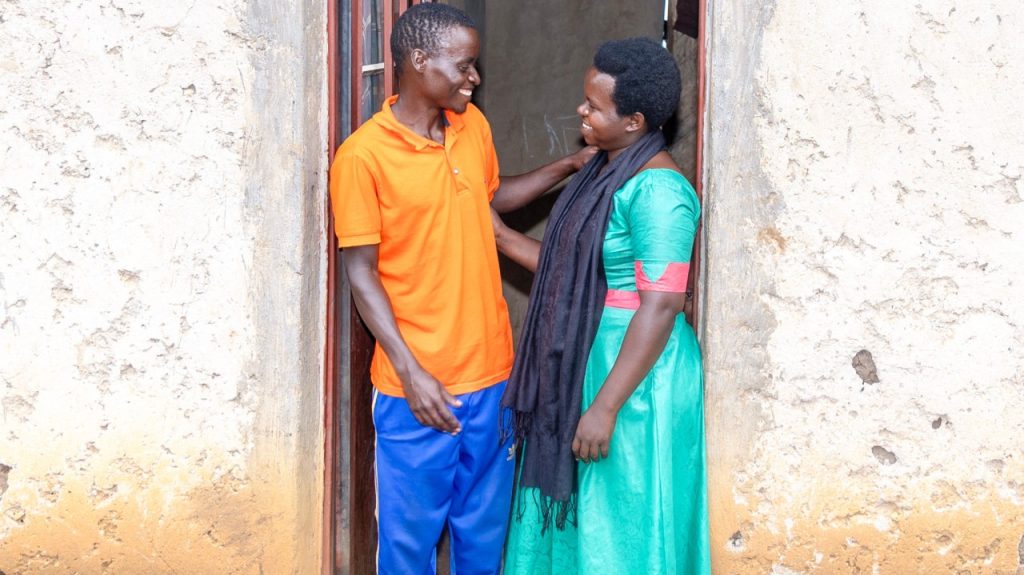
Nyandwi and Regina’s marriage, once marred by conflict and abuse, transformed through the GEAR project’s Journey of Transformation. Nyandwi embraced equality, shared decisions, and supported household chores. Their renewed partnership brought safety, respect, and legal marriage—proving that challenging harmful norms strengthens families and fosters peace in communities.
Empowering Refugees: CARE Rwanda’s Intervention in Mugombwa Refugee Camp
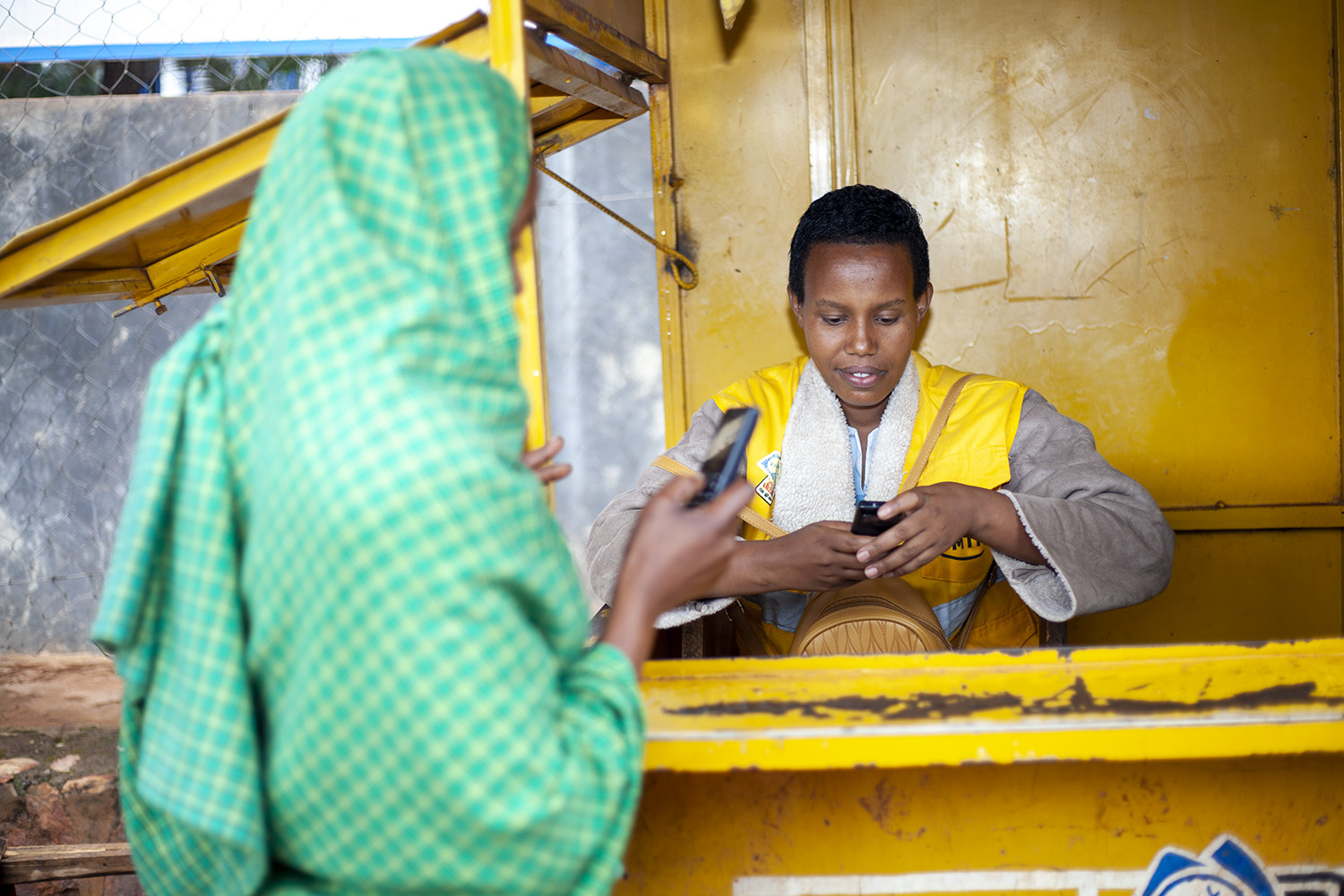
Life in Mugombwa refugee camp meant surviving on a modest monthly allowance with little hope for financial independence. She had fled conflict in eastern DRC, leaving everything behind. Despite Feza’s determination to support her family, opportunities seemed limited – until the GEWEP III project introduced her to telecommunications training and the VSLA savings model that would transform her economic future.
overcoming unemployment challenges as a refugee
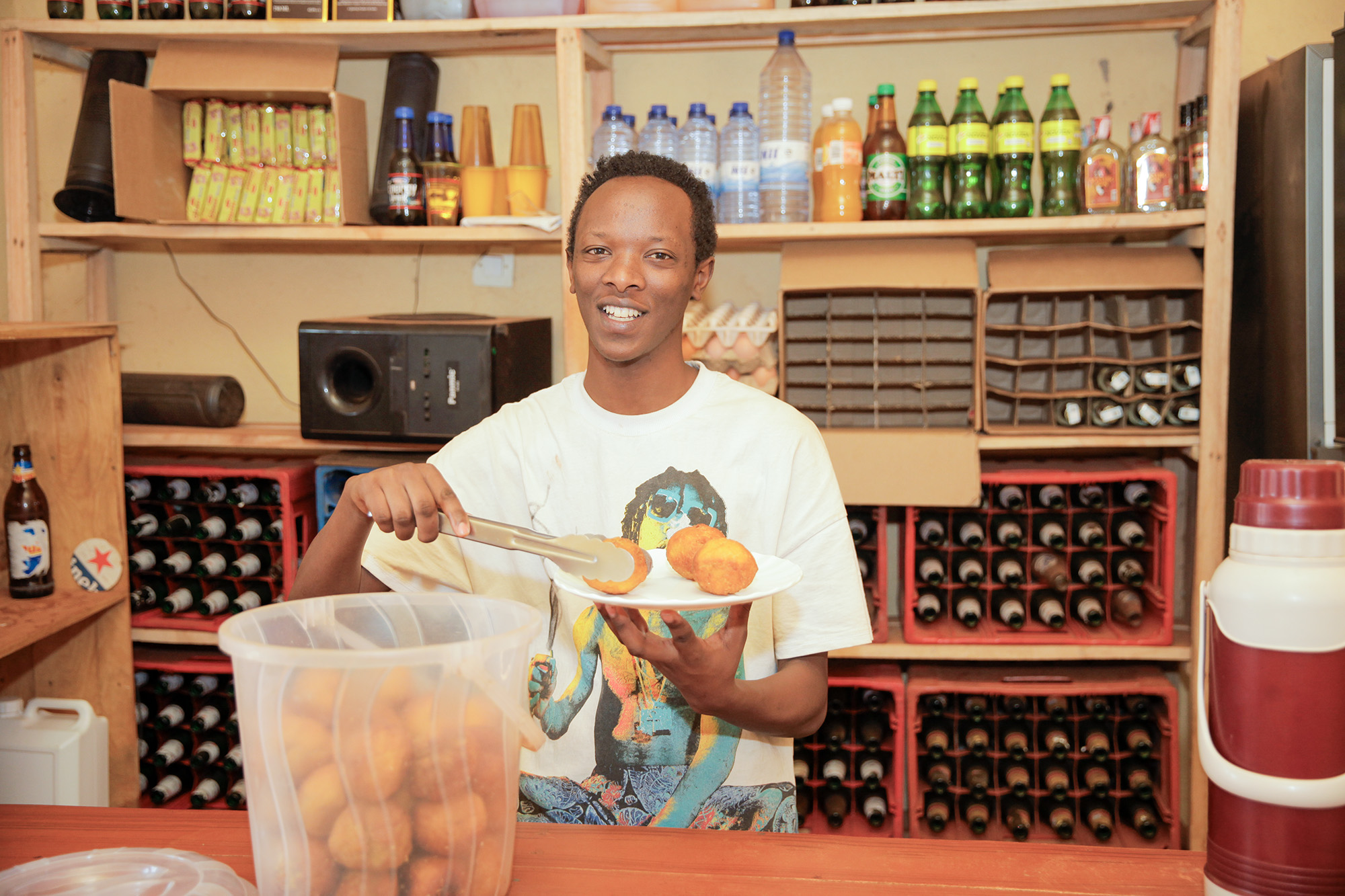
Life has never been easy for Umuraza in Mugombwa refugee camp. He fled there at just 10 years old with his family, relying solely on humanitarian aid to survive. Despite earning his secondary school degree, employment remained elusive – until the FREE project supported him in acquiring technical skills. Today, he uses those skills to run his own business, transforming his life from dependency to self-reliance.
Powered by Women in Rwanda
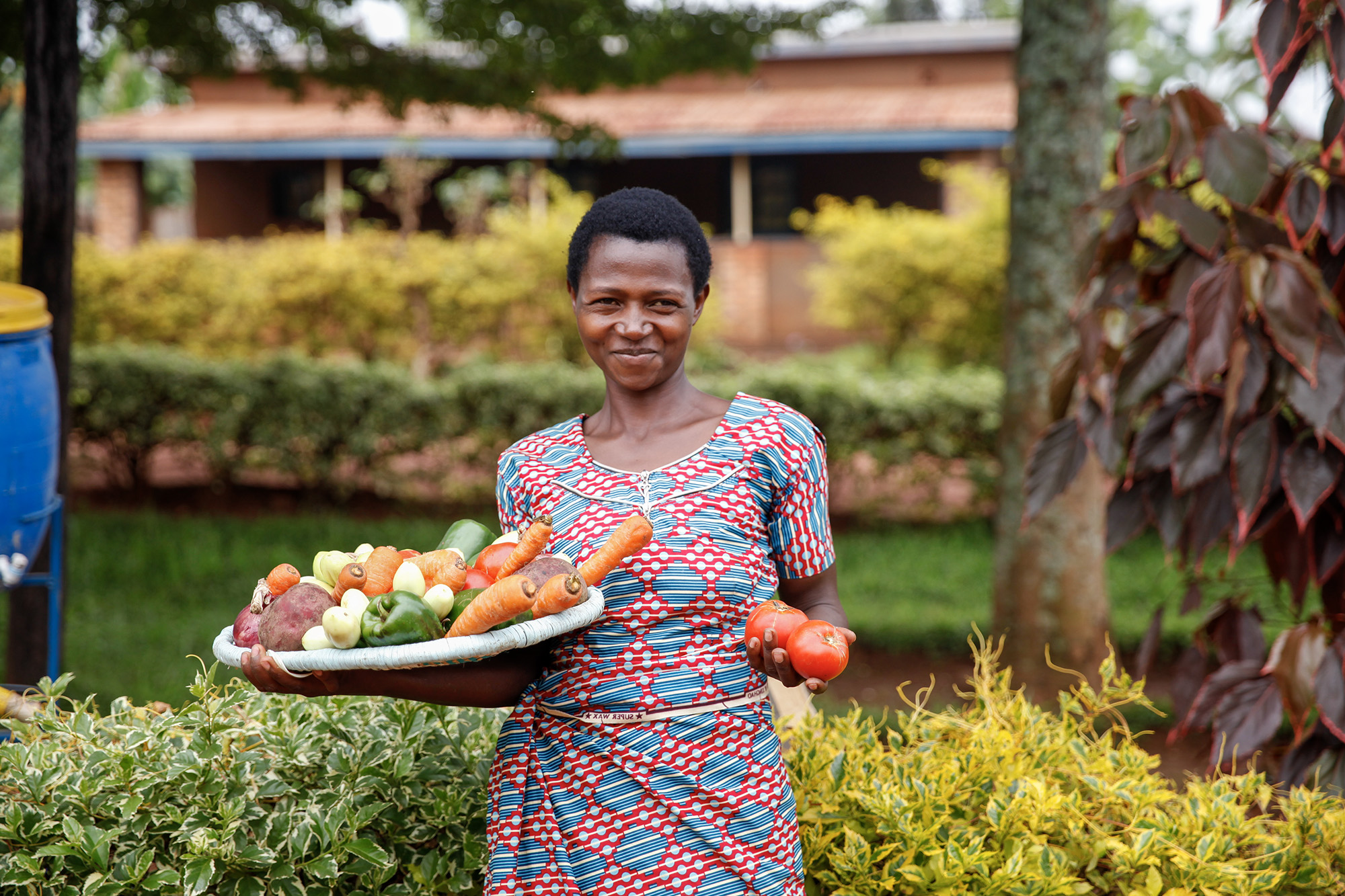
The Powered by Women in Rwanda program aims to improve equality for 161,047 women and girls in Rwanda. CARE, along with its implementing partners, will strengthen the ability of women, girls, and Civil Society Actors (CSAs) to address critical barriers to women’s economic growth, Sexual Reproductive Health Rights (SRHR), and Violence Against Women and Girls (VAWG) prevention.
Gender Equality and Resilient (GEAR) Project
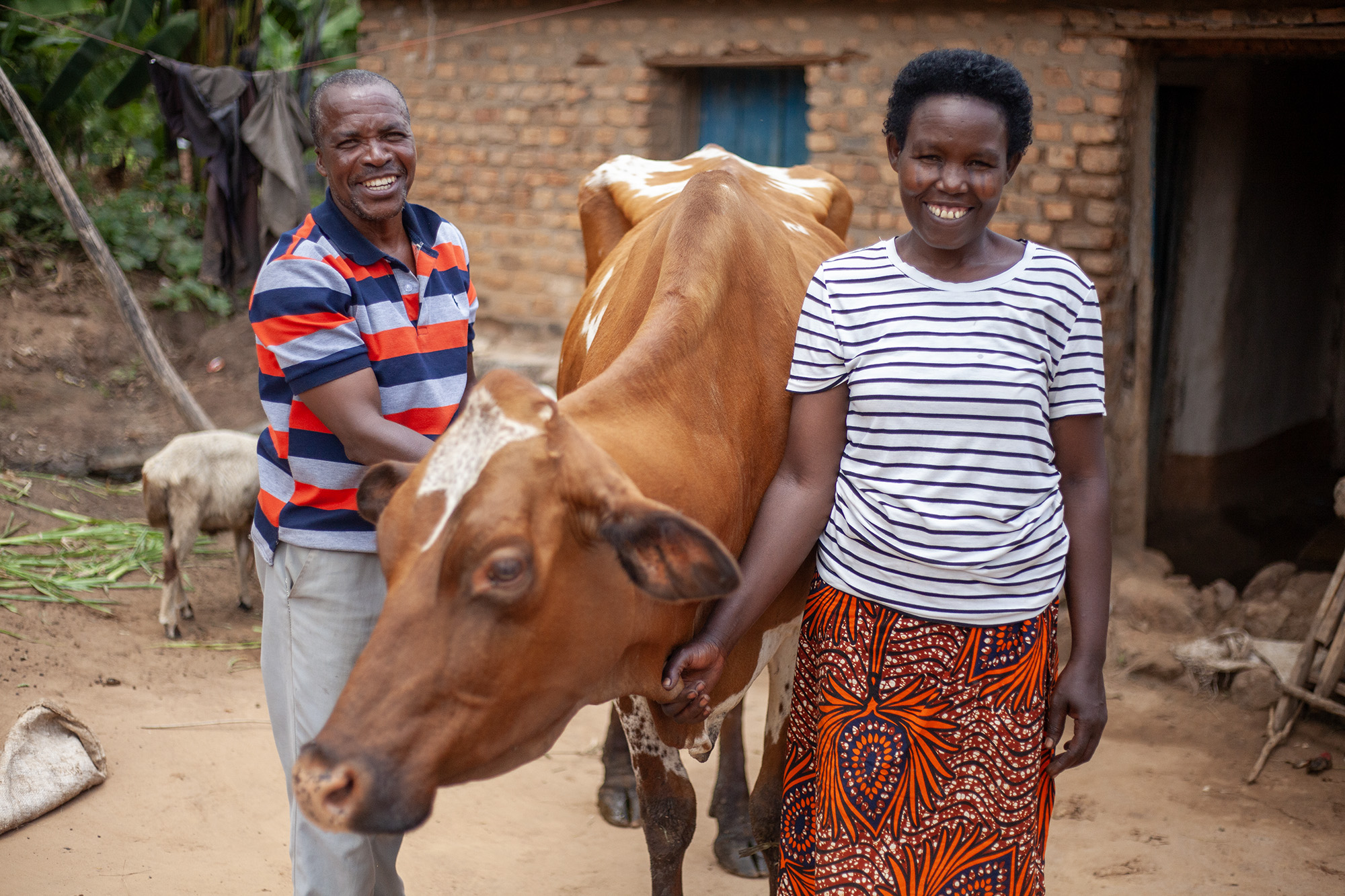
The Gender Equality and Resilient (GEAR) project is a 5-year joint strategic partnership involving CARE Rwanda, CARE Uganda, and CARE Austria, funded by the Austrian Development Agency (ADA). Despite Rwanda’s progress, challenges like growing urbanization, climate crisis impacts, inequalities faced by women and girls, and poverty persist.
Supporting and Enhancing Resilient and Viable Employment Opportunities (SERVE)
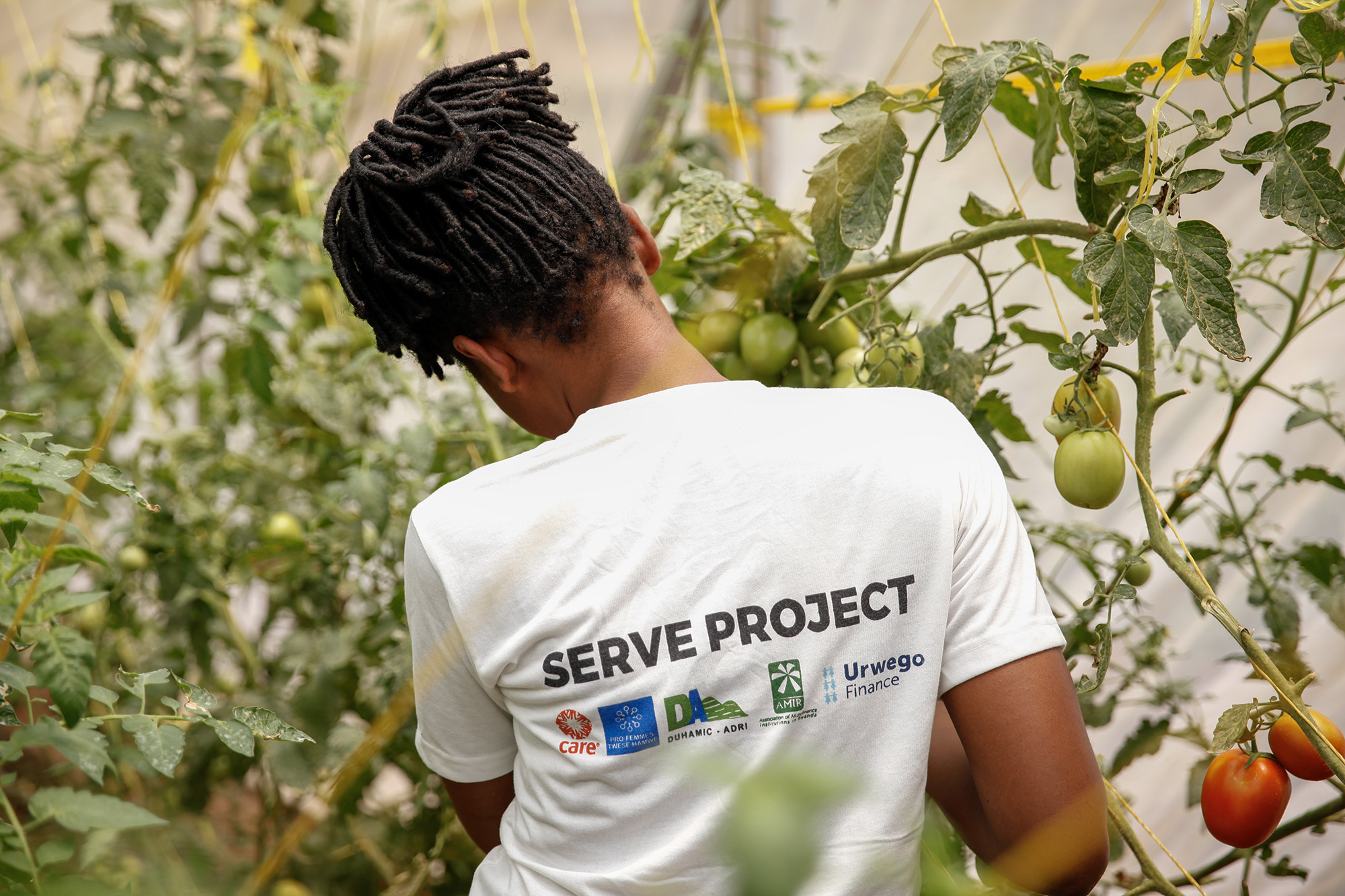
The SERVE project aims to build a resilient, sustainable, equitable for women and girls, and inclusive entrepreneurial environment that increases dignified and fulfilling work opportunities for young people, particularly young women, in agricultural value chains across Rwanda. It addresses the challenge of insufficient productive employment for Rwanda’s growing youth population, with about 78% of Rwandans being under 35 years old.
Kungahara Project

The Kungahara project, is a project financially supported by the European Union and the Austrian Development Agency, implemented by CARE (CARE Austria and CARE Rwanda), in partnership with DUHARANIRA AMAJYAMBERE Y’ICYARO (DUHAMIC-ADRI). This project aims to significantly contribute to resilient food systems and improved food and nutrition security in Rwanda.
Investing in Home-Grown Solutions: SERVE Project Awards 286M RWF to Youth Agricultural Innovators
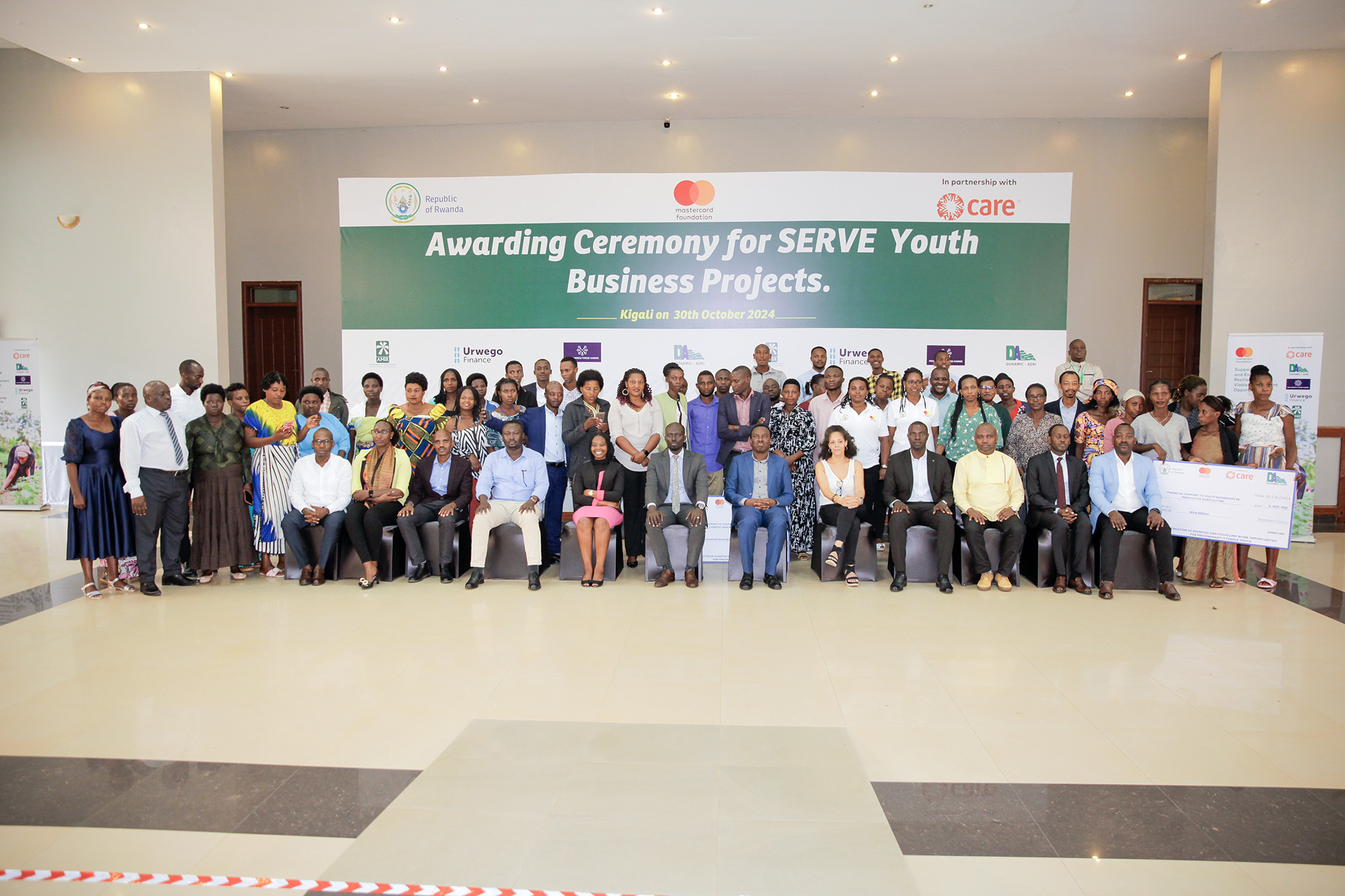
The SERVE Project awarded strategic grants to youth-led enterprises, focusing on innovations and home-grown solutions. The competitive program received 475 applications across four funding categories and distributed 286,000,000 Rwandan Francs among 47 selected businesses to drive sustainable agricultural business development and enhance resilience in the sector.