
Growing More Than Food: A mother’s nutrition journey
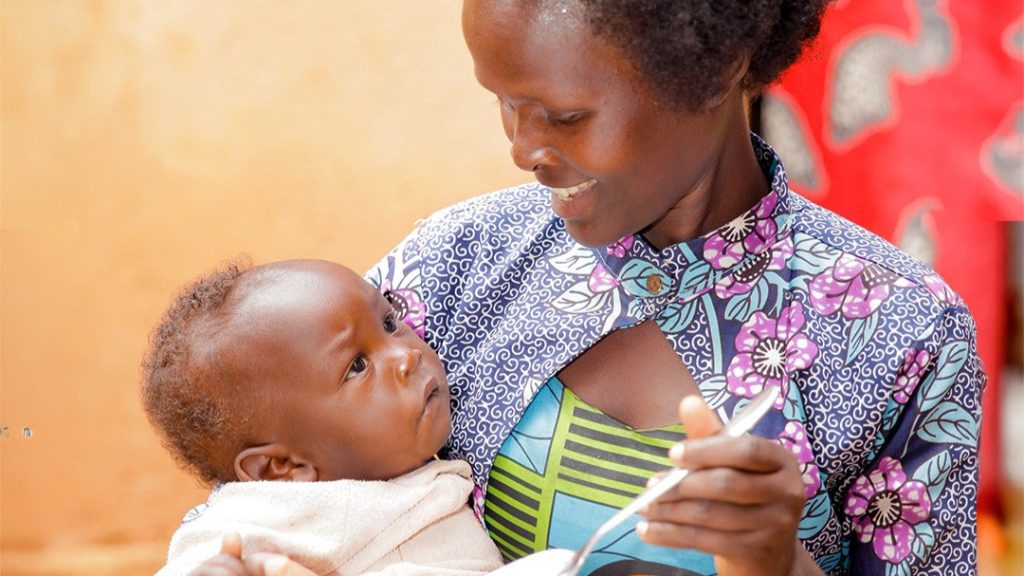
Jacqueline from Gicumbi struggled to provide proper nutrition for her child, believing healthy meals were unaffordable. Through the EU-funded Kungahara project, she learned to grow vegetables, raise chickens, and prepare balanced meals using local resources. This initiative empowered mothers, proving that knowledge—not wealth—can transform family nutrition and community well-being.
Belise’s Journey: From Struggle to Self-Sufficiency with the Kungahara Project
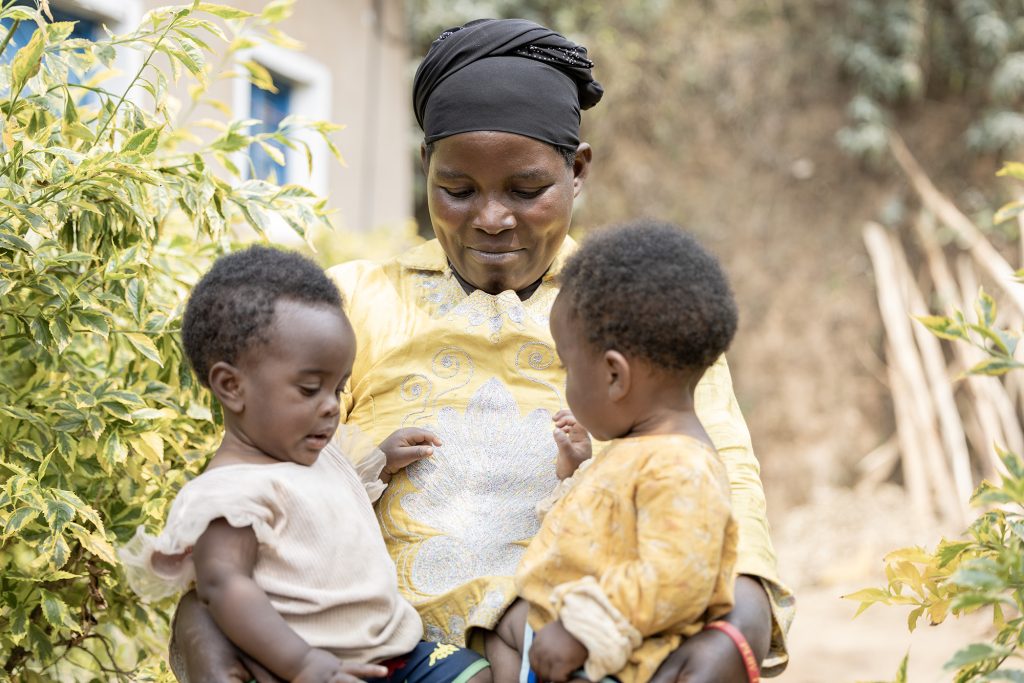
Meet Murekatete Belise, a mother of three children, a young boy and girls twins from Gakenke district, Northern Rwanda. She used to face significant challenges in providing nutritious food for her family, especially her twins who are still at baby age. Trying to address that, she decided to grow a vegetable garden as she knew […]
When Making the Bed Marks the Beginning of a Better Future: Nyandwi and Regina’s Story
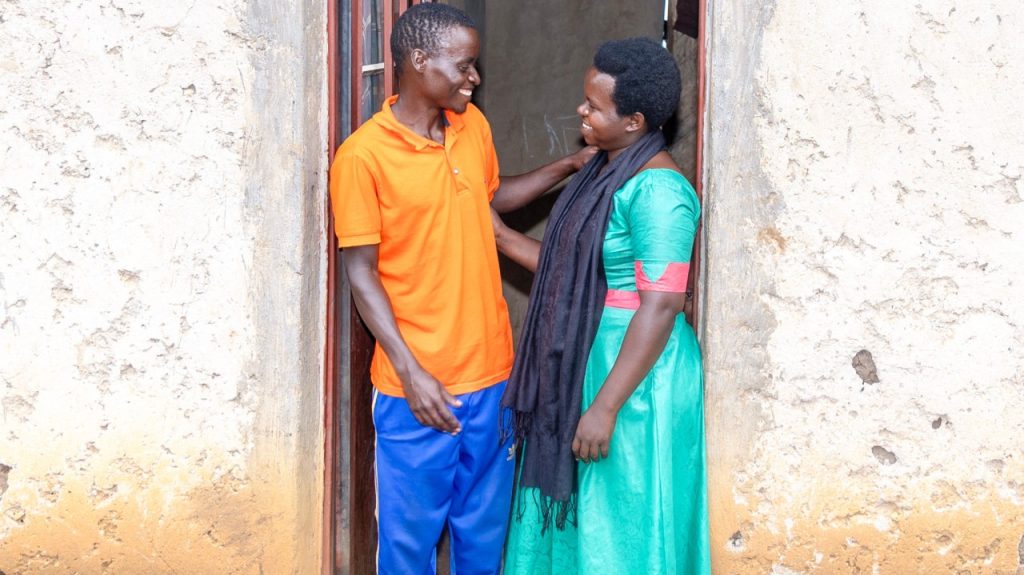
Nyandwi and Regina’s marriage, once marred by conflict and abuse, transformed through the GEAR project’s Journey of Transformation. Nyandwi embraced equality, shared decisions, and supported household chores. Their renewed partnership brought safety, respect, and legal marriage—proving that challenging harmful norms strengthens families and fosters peace in communities.
Empowering Refugees: CARE Rwanda’s Intervention in Mugombwa Refugee Camp
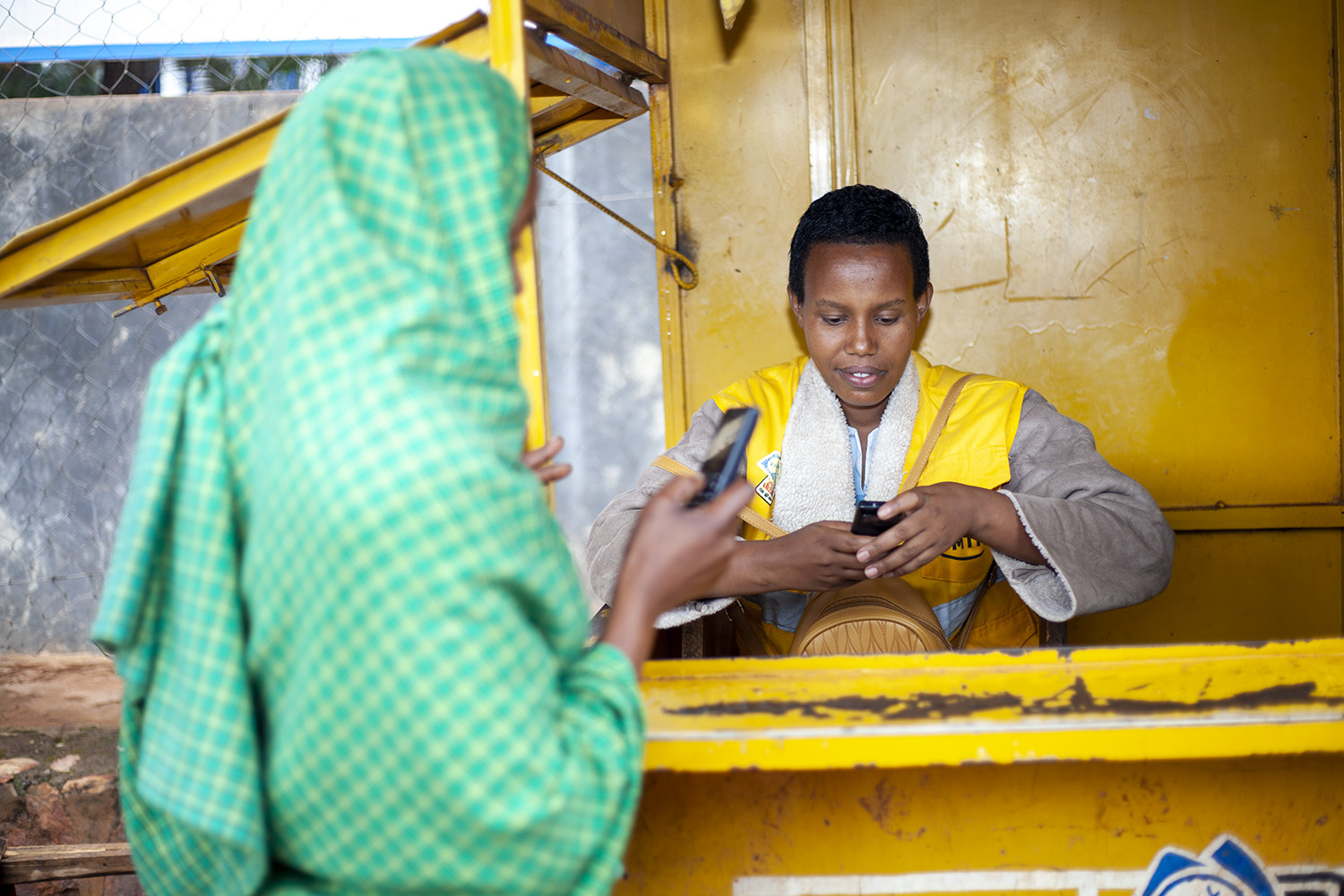
Life in Mugombwa refugee camp meant surviving on a modest monthly allowance with little hope for financial independence. She had fled conflict in eastern DRC, leaving everything behind. Despite Feza’s determination to support her family, opportunities seemed limited – until the GEWEP III project introduced her to telecommunications training and the VSLA savings model that would transform her economic future.
overcoming unemployment challenges as a refugee
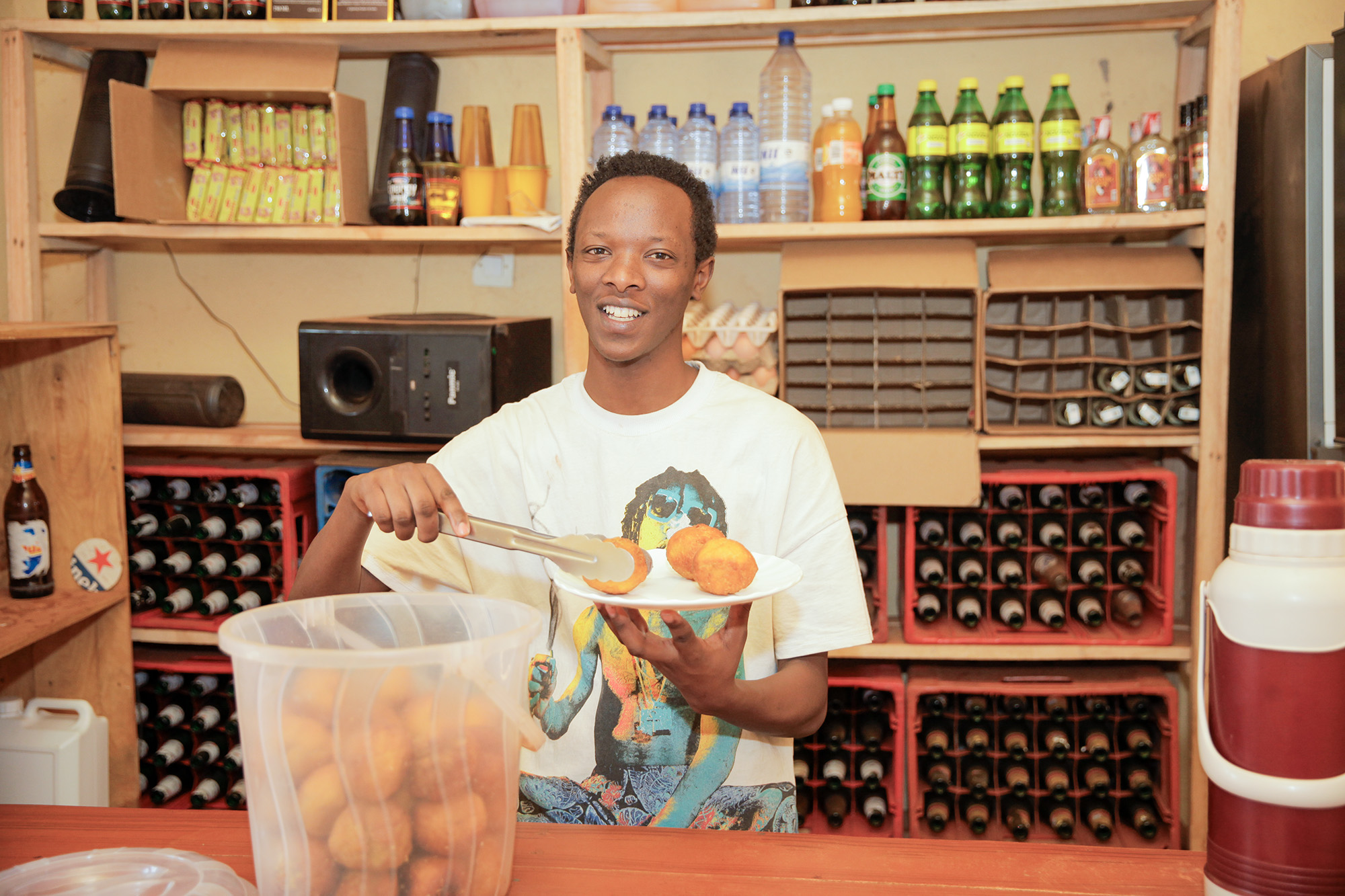
Life has never been easy for Umuraza in Mugombwa refugee camp. He fled there at just 10 years old with his family, relying solely on humanitarian aid to survive. Despite earning his secondary school degree, employment remained elusive – until the FREE project supported him in acquiring technical skills. Today, he uses those skills to run his own business, transforming his life from dependency to self-reliance.
Powered by Women Project Brief
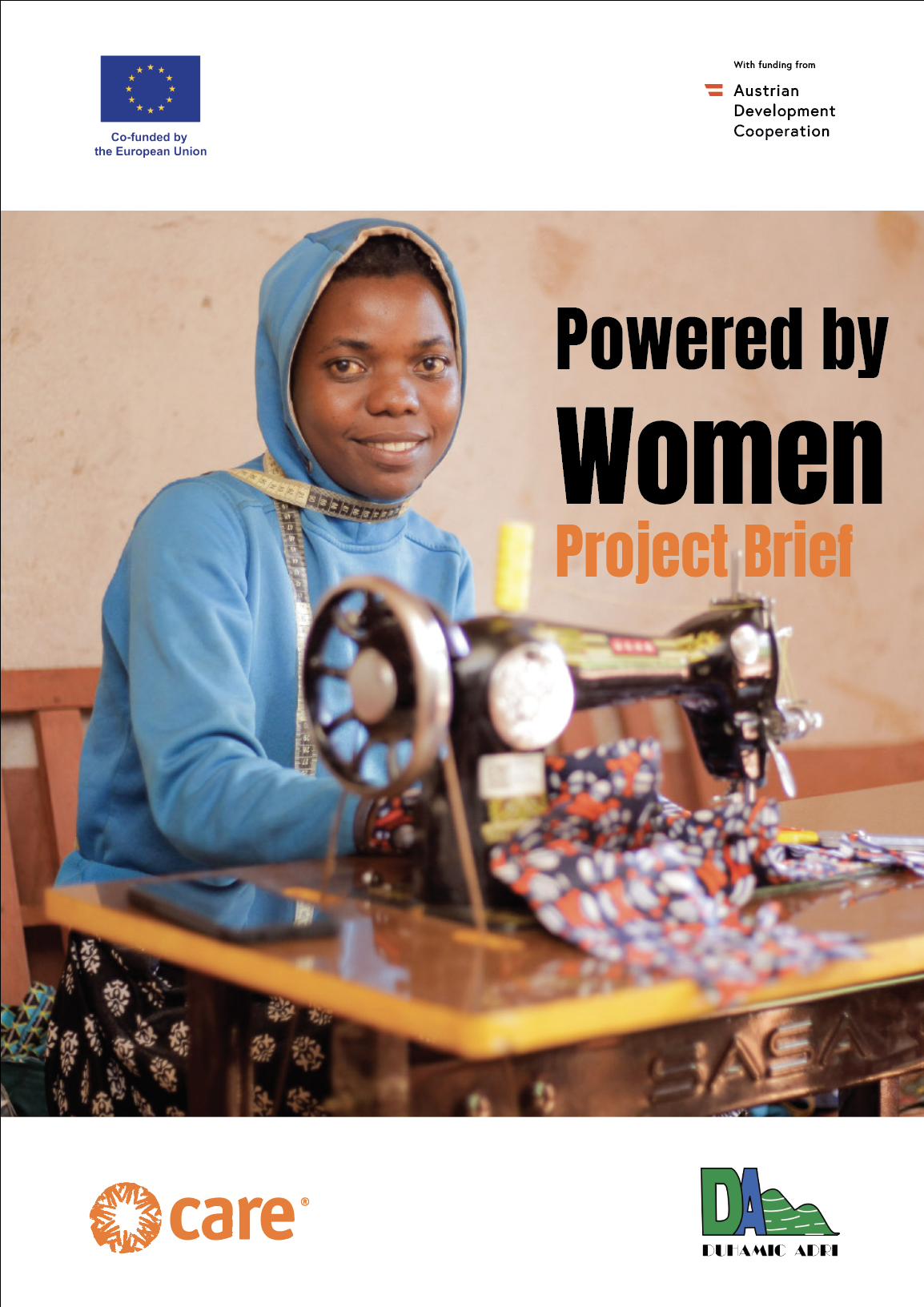
This document is a project brief for CARE Rwanda’s “Powered by Women in Rwanda” project, a 51 million NOK initiative running from 2025-2030 that aims to advance gender equality for 161,047 women and girls in Rwanda’s Eastern Province (Nyagatare, Gatsibo, Ngoma, and Kirehe districts). The project addresses three main objectives: developing leadership skills for 68,520 women and girls to participate in politics and governance through mentorship programs and civil society partnerships; supporting 161,047 women to gain equitable access to economic resources through 950 new and 6,692 existing Village Savings and Loan Associations (VSLAs) focused on agricultural empowerment and poverty graduation; and enabling 25,650 people to exercise their sexual and reproductive health rights while living free from gender-based violence through health provider training and community engagement programs.
Kungahara Project Brief

This document is a project brief for CARE Rwanda’s “Kungahara” project, which aims to strengthen resilient food systems and nutrition security in Rwanda by supporting smallholder farmers in sustainable agriculture and improving household nutrition. In 2024, the project reached 31,000 smallholder farmers (64% female) across three districts (Rulindo, Gakenke, Gicumbi), focusing on five value chains: pigs, maize, tomatoes, poultry, and beans. Key achievements include training 19,138 farmers on climate-smart agriculture techniques, establishing 66 demonstration plots using the Farmer Field Business School methodology, creating 2,736 terrace ditches for soil erosion protection, supporting 9,004 households to establish home gardens, and conducting nutrition campaigns reaching over 7,425 households. The project works through 1,060 farmer groups organized into 212 clusters, with support from 90 farmer promoters and 150 nutrition champions, partnering with government ministries and organizations to promote sustainable agricultural practices while improving food security and nutrition outcomes for vulnerable communities.
SERVE Project Brief
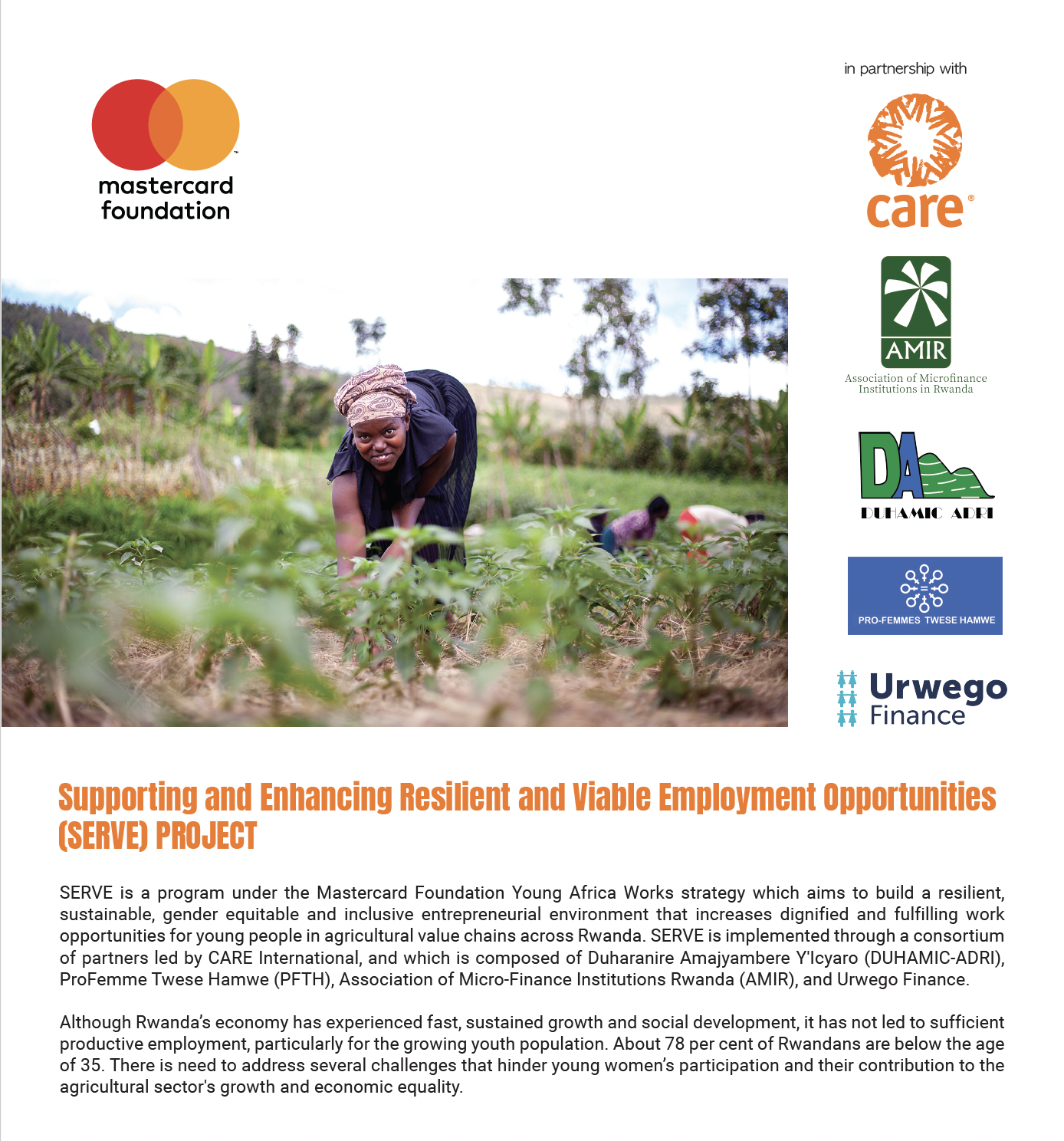
The SERVE project brief gives a highlight on SERVE project. SERVE is a 5-years (2023-2027) program funded by the Mastercard Foundation under its Young Africa Works strategy which aims to create and sustain 80,000 dignified and fulfilling work opportunities for predominantly female youth.
CARE Rwanda Partnership Strategy (2024-2030 )
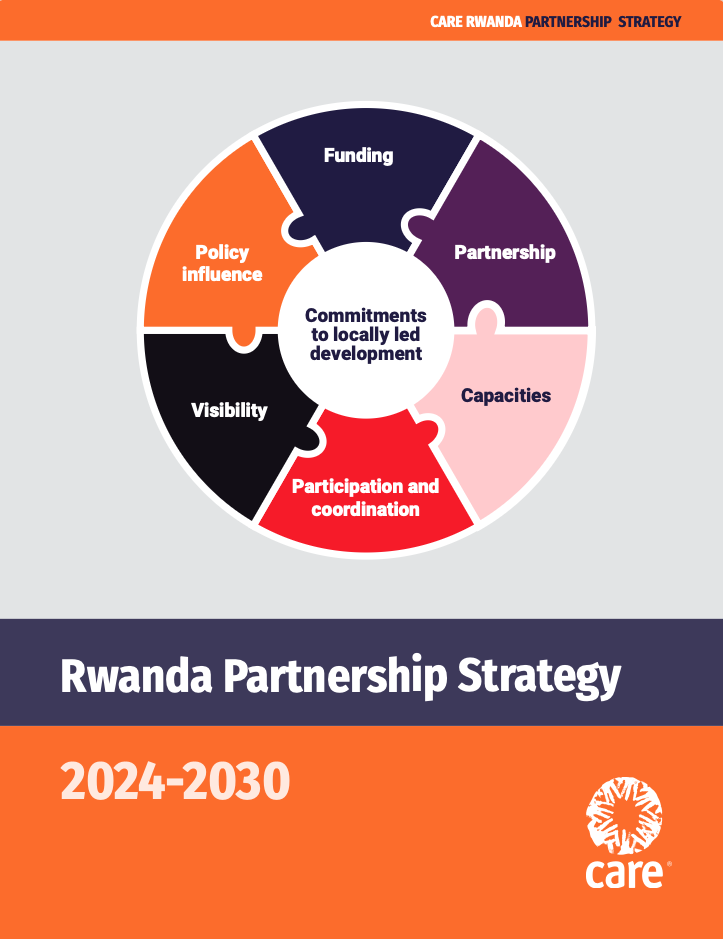
This document outlines CARE Rwanda’s partnership strategy, which guides how the organization collaborates with various stakeholders to achieve its development goals. The strategy reflects CARE Rwanda’s evolution from direct project implementation to a facilitator role, focusing on gender justice and women’s economic empowerment through partnerships with six key types of organizations: local civil society groups (especially women’s rights organizations), private sector entities, government partners, media outlets, research institutions, and peer international NGOs. It presents a framework with six domains of change – funding, partnerships, capacities, participation and coordination, visibility, and policy influence – each with specific progress metrics. The strategy emphasizes localizing aid and shifting power dynamics to enable locally-led development, requiring CARE Rwanda to reduce its operational footprint while building new competencies in facilitation and advocacy, though implementation will require organizational behavior change and ongoing attention to tensions that emerged during its participatory development process.
CARE Rwanda Strategy and Business Plan (FY 2022-2025)
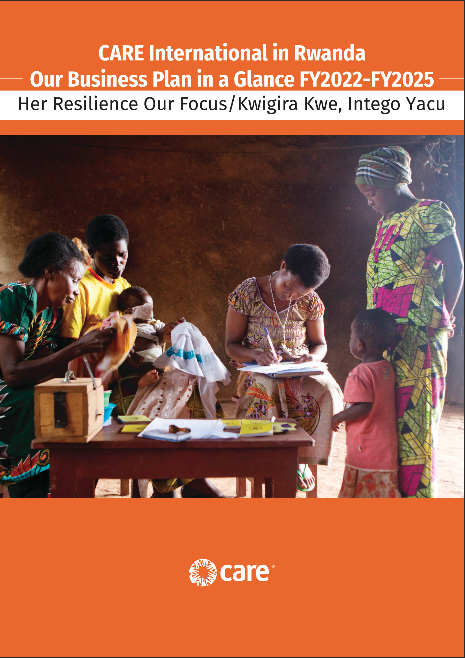
This document outlines CARE’s program strategy for 2021-2025, providing context on the operating environment and challenges the country office aims to address. It details the office’s primary goal: supporting 1,500,000 women and girls aged 10-59 to escape poverty and establish themselves in the green, private-led economy while securing equal rights, voice, leadership, and opportunities to live with dignity. The strategy encompasses CARE’s theory of change, key program focus areas, partnership frameworks for achieving objectives, implementation approaches, and business planning components.